Democracy Reclaimed: Bangladesh and Nepal Set for Historic Elections Following Youth-Led Movements
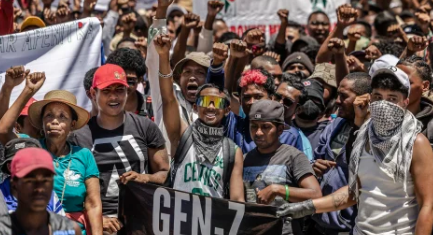
In a powerful testament to the influence of the “Gen Z” generation, both Bangladesh and Nepal are preparing for pivotal national elections that promise to reshape the political landscape of South Asia. Following months of intense, youth-led protests that demanded systemic transparency and the dismantling of old-guard political structures, the interim authorities in both nations have finalized schedules for the upcoming polls. These elections are being viewed not merely as a routine transition of power, but as a direct result of a massive social awakening. In Bangladesh, the movement initiated by students has evolved into a nationwide call for “State Repair,” seeking to move past decades of polarized politics. Similarly, in Nepal, a younger electorate frustrated by economic stagnation and perennial political instability has forced a shift toward newer, more technocratic leadership options.
The momentum for these elections was built on the streets, where young activists utilized digital platforms and decentralized organizing to challenge established norms. In Dhaka, the fervor of the recent uprisings has led to the formation of new political entities led by student leaders, who are now transitioning from protesters to candidates. These young leaders are campaigning on platforms of anti-corruption, judicial independence, and economic equity, directly challenging the traditional dominance of the major established parties. The atmosphere in Bangladesh is one of cautious optimism, as the caretaker administration works to ensure that the electoral process is free from the violence and irregularities that marred previous cycles. The youth vote, which constitutes a massive demographic bloc, is expected to be the deciding factor in whether the country maintains its traditional political trajectory or embarks on a radical new path.
Nepal’s journey to these polls mirrors this regional trend of generational defiance. After a series of short-lived coalitions failed to address high unemployment and the mass migration of youth, the streets of Kathmandu became the stage for a new kind of political discourse. The “Gen Z” protesters in Nepal have been vocal about their disdain for “musical chairs” politics, where the same set of aging leaders has rotated through power for years. As the country heads to the ballot box, there is a visible surge in support for independent candidates and grassroots movements that prioritize local governance over nationalistic rhetoric. This shift has forced traditional parties to scramble, with many veteran politicians now attempting to incorporate younger voices into their committees to stay relevant in a rapidly changing political climate.
As both nations prepare for the vote, the international community is watching closely, recognizing that the outcome will have profound implications for regional stability. The shared experience of Bangladesh and Nepal underscores a broader global trend where the younger generation is no longer content with being passive observers of governance. These upcoming elections represent a high-stakes experiment in whether street-level activism can successfully translate into stable, institutionalized democracy. While significant challenges remain—including economic pressures and the risk of political fragmentation—the determination of the youth has ensured that the status quo is no longer an option. The world now waits to see if the ballot box will honor the courage shown on the streets, marking a definitive new chapter for South Asian democracy